
Disclaimer
FacialPalsyPath was created in collaboration with the Facial Paralysis and Facial Nerve Dysfunction Clinic at Toronto Western Hospital, University Health Network. The information on this page is based on the practices of this clinic and may not reflect the protocols and best practices of other clinics.
Visit the Clinic PageFirst Signs
It is important to note the first signs of facial paralysis; however, each person will have a unique experience and this does not apply to congenital or sudden facial paralysis.
Key Early Symptoms
- Facial droop
- Weakness in the muscles of the face resulting in the inability to smile, speak, or close eye
- Drooling
- Dry eye
- Headache
- Pain in the jaw or behind the ear
- Loss of taste
- Ringing or sound sensitivity
Why do we see these symptoms?
We can explore why these symptoms pop up by understanding the facial nerve. A lot of these symptoms are related to the facial nerve's functions since the facial nerve helps control facial expressions, tear production, saliva production, mucous production, some taste and a little feeling around your ear.
Learn more about the anatomyAt the Clinic
During your appointment, you will see different specialists that will help tailor your care to your specific case. They will ask you diagnostic questions to understand the symptoms you are experiencing and how your facial paralysis is presenting.

Medical History
At the beginning of your appointment, the physicians will take a look at your medical history and you will be asked questions about your facial paralysis. You may be asked several questions again by different specialists in order for them all to get the best idea on your injury.
Physical Exam
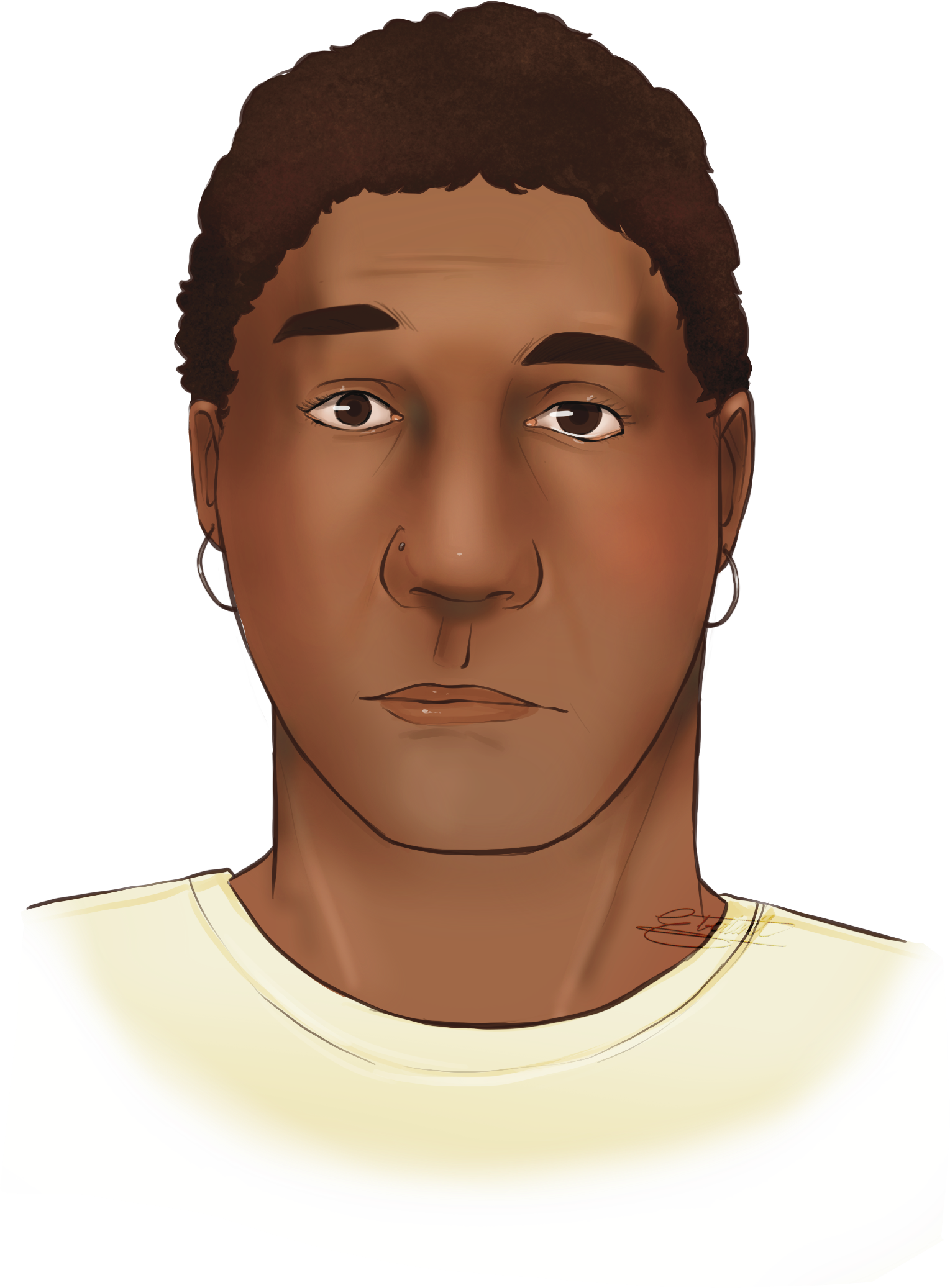
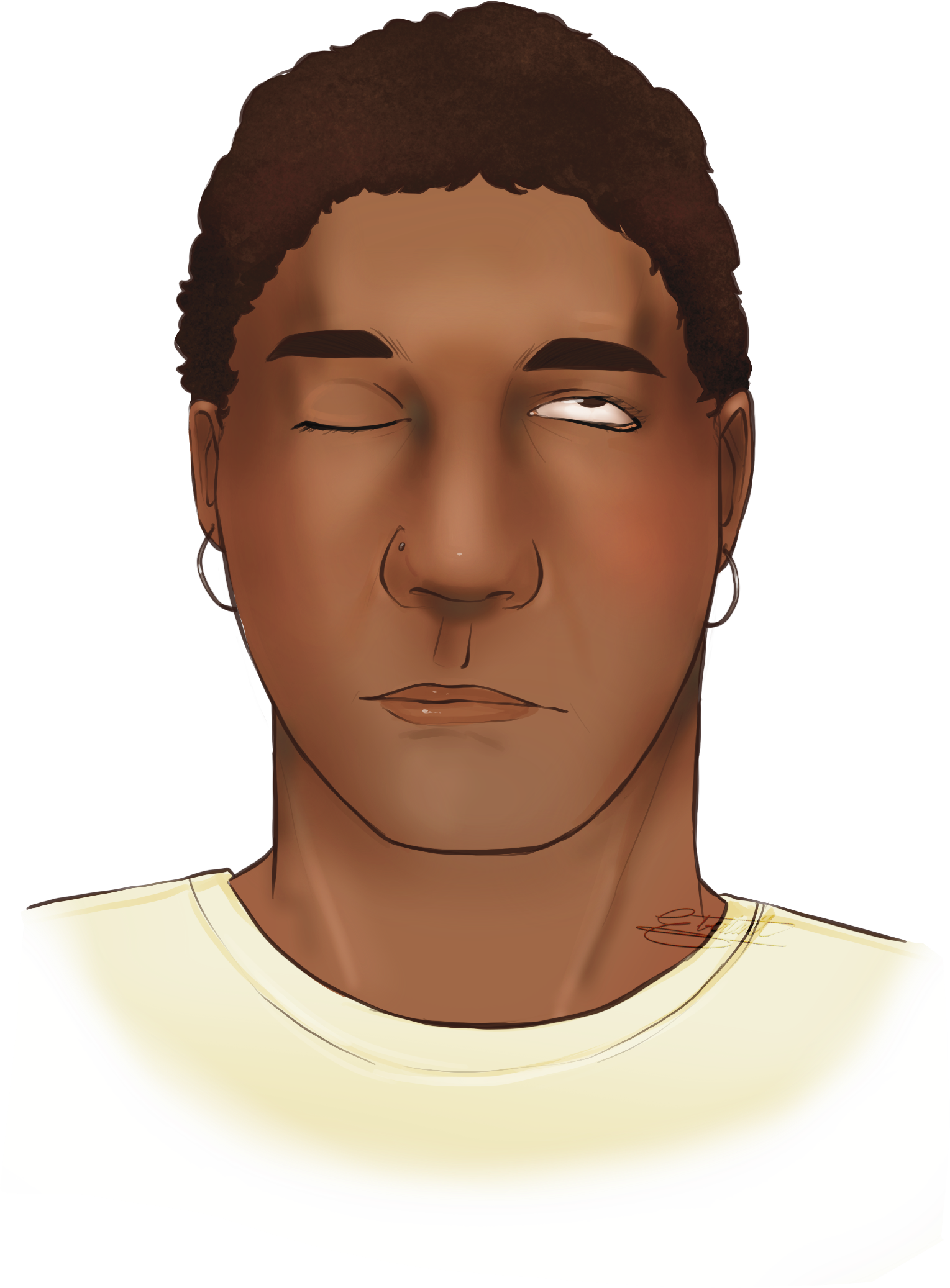
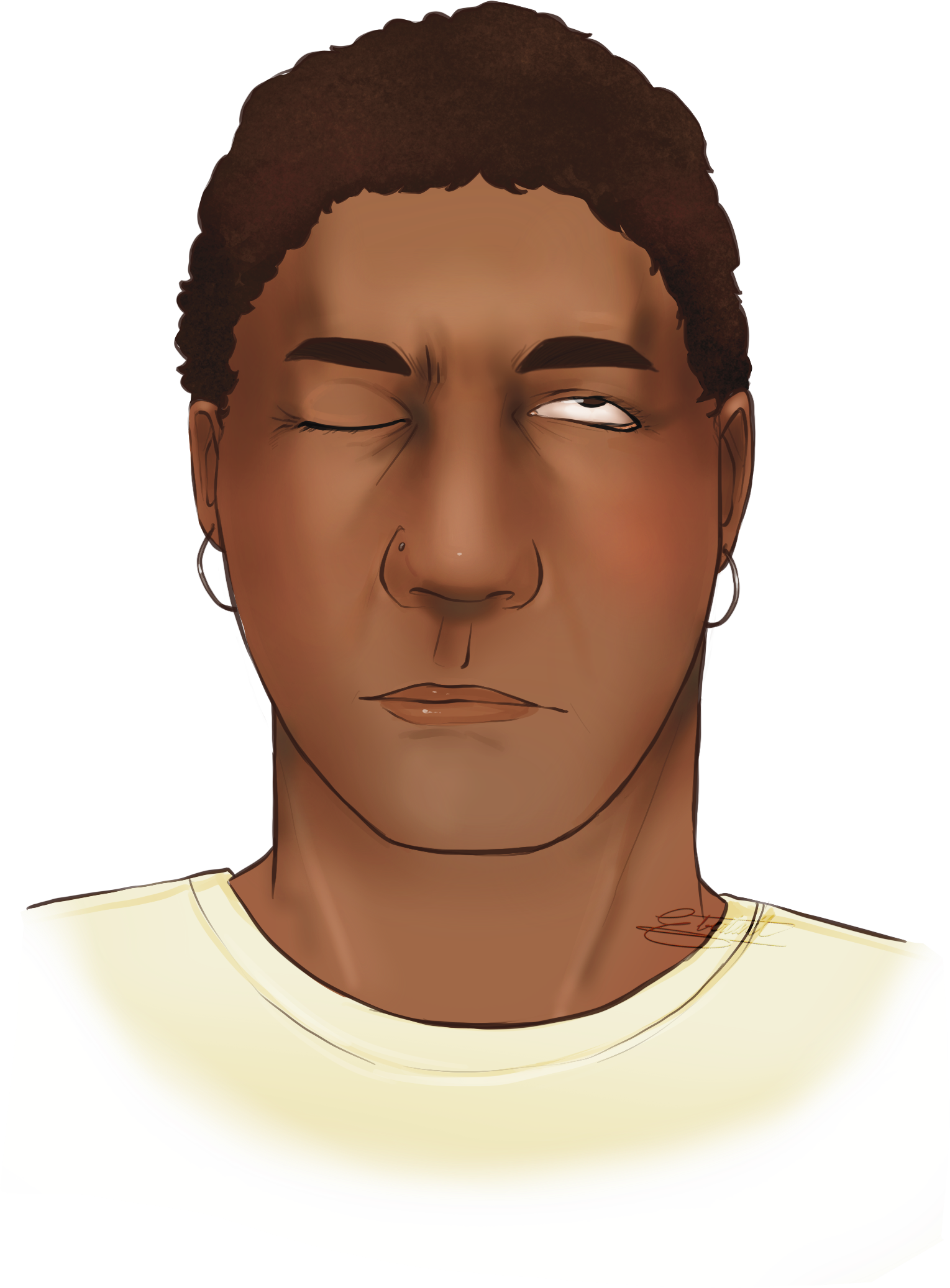
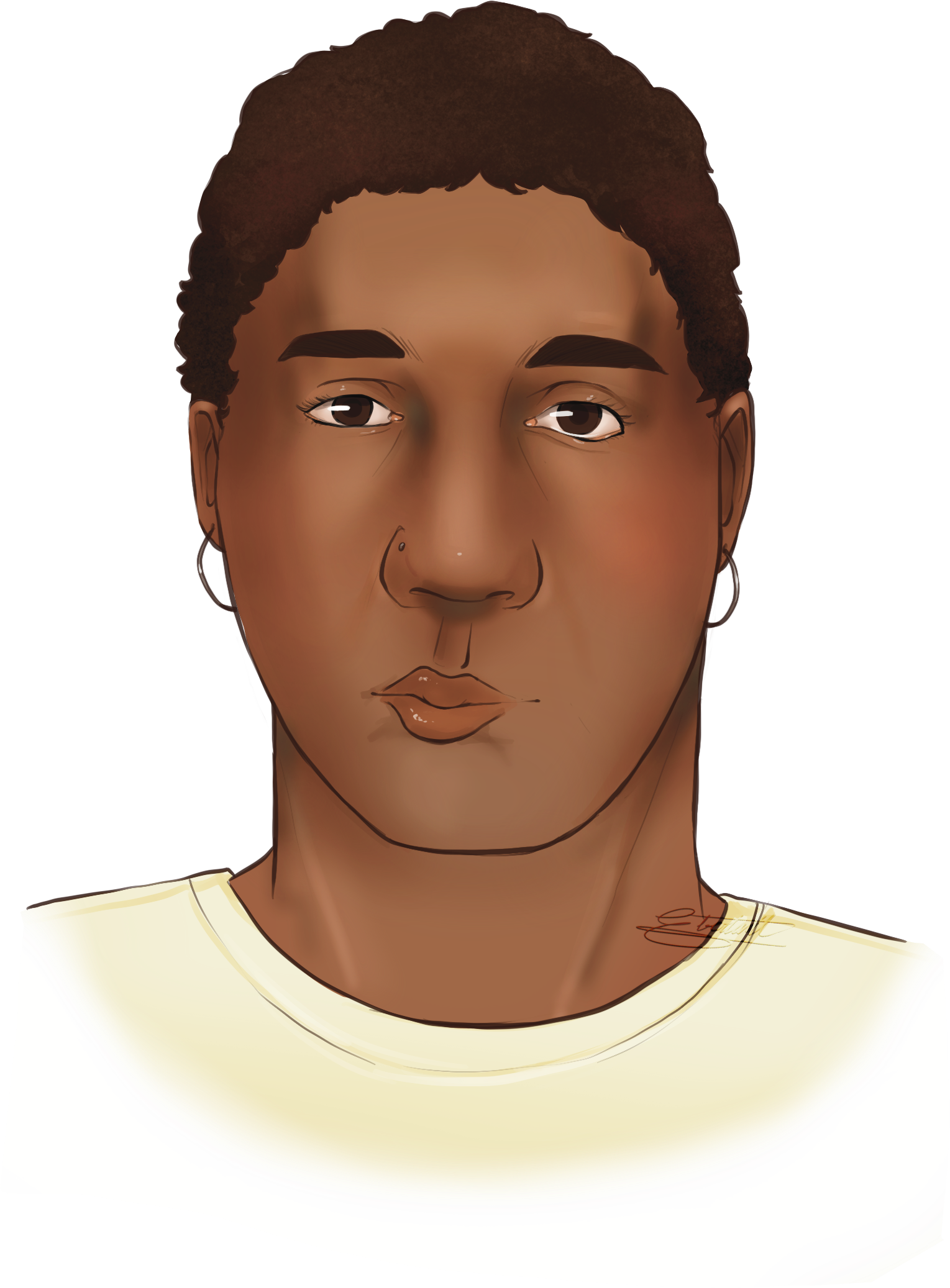
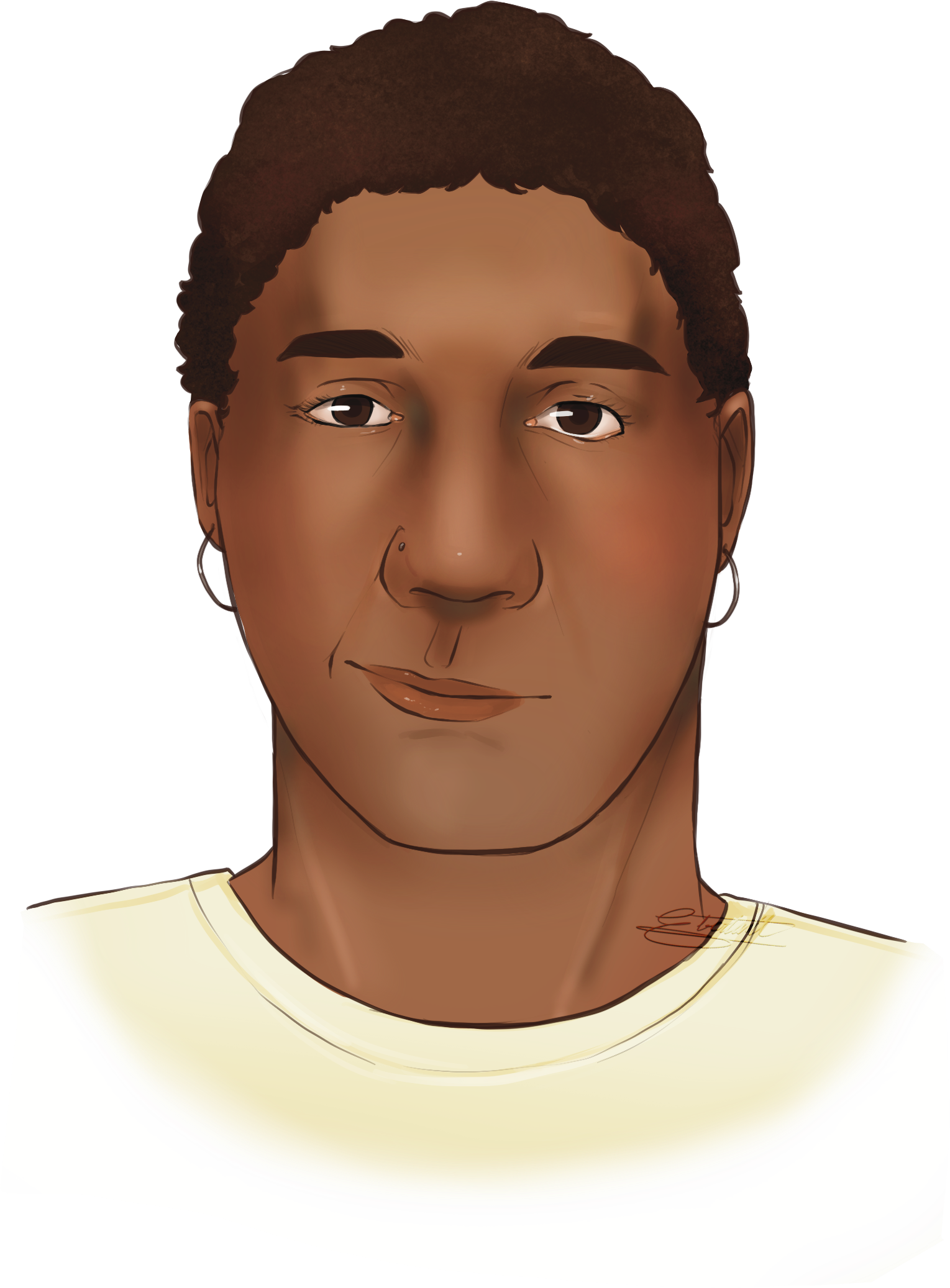
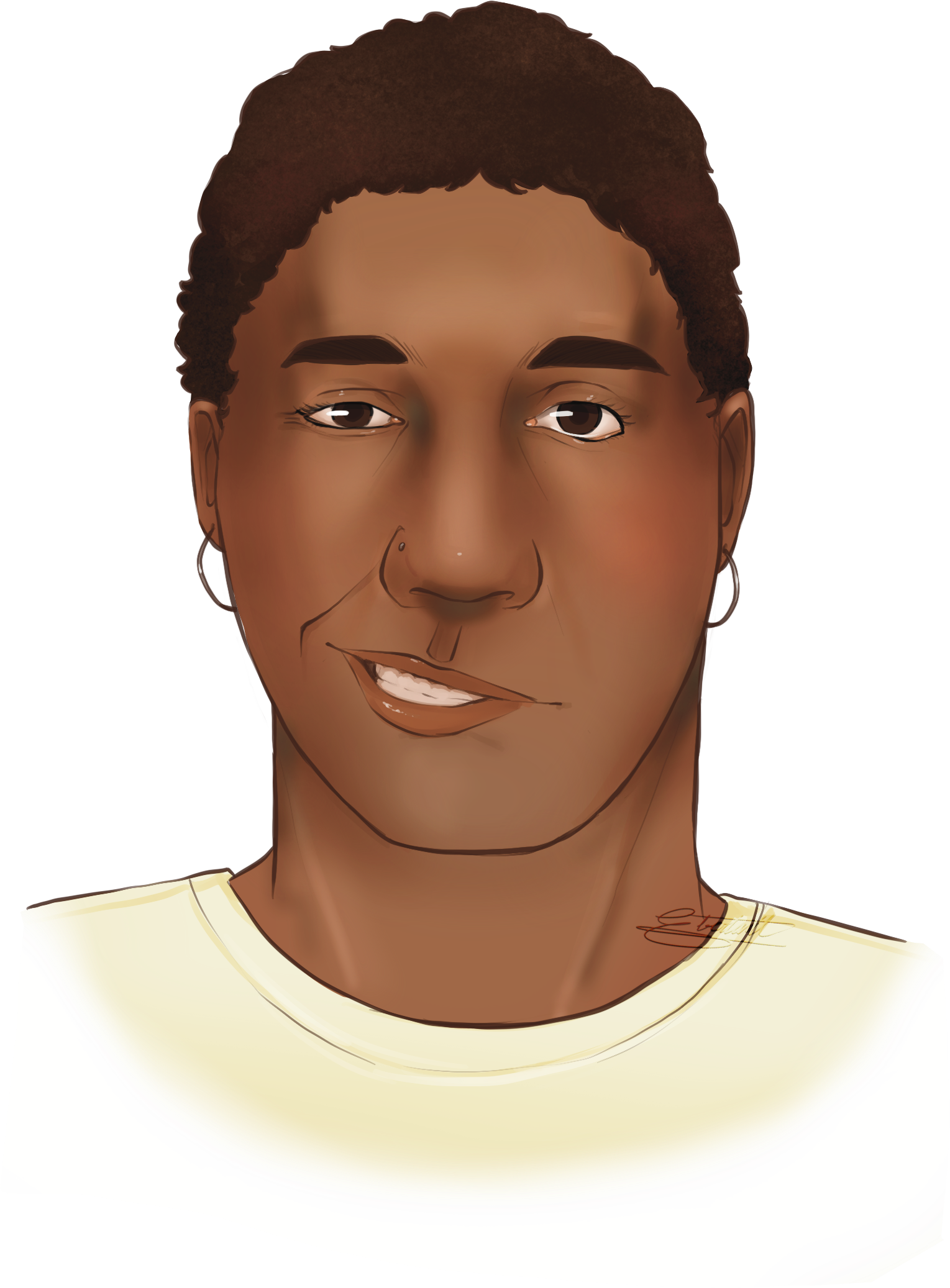
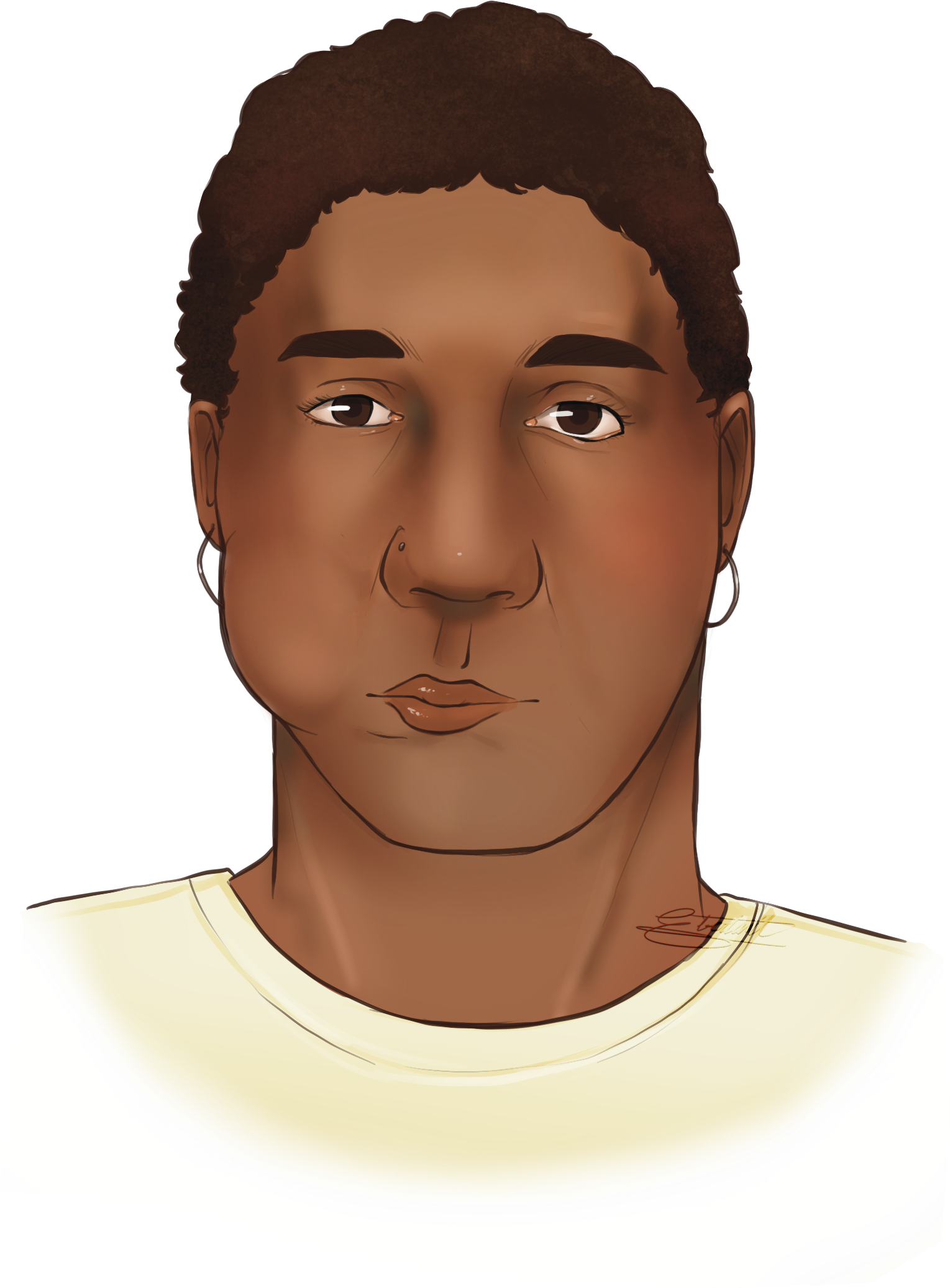
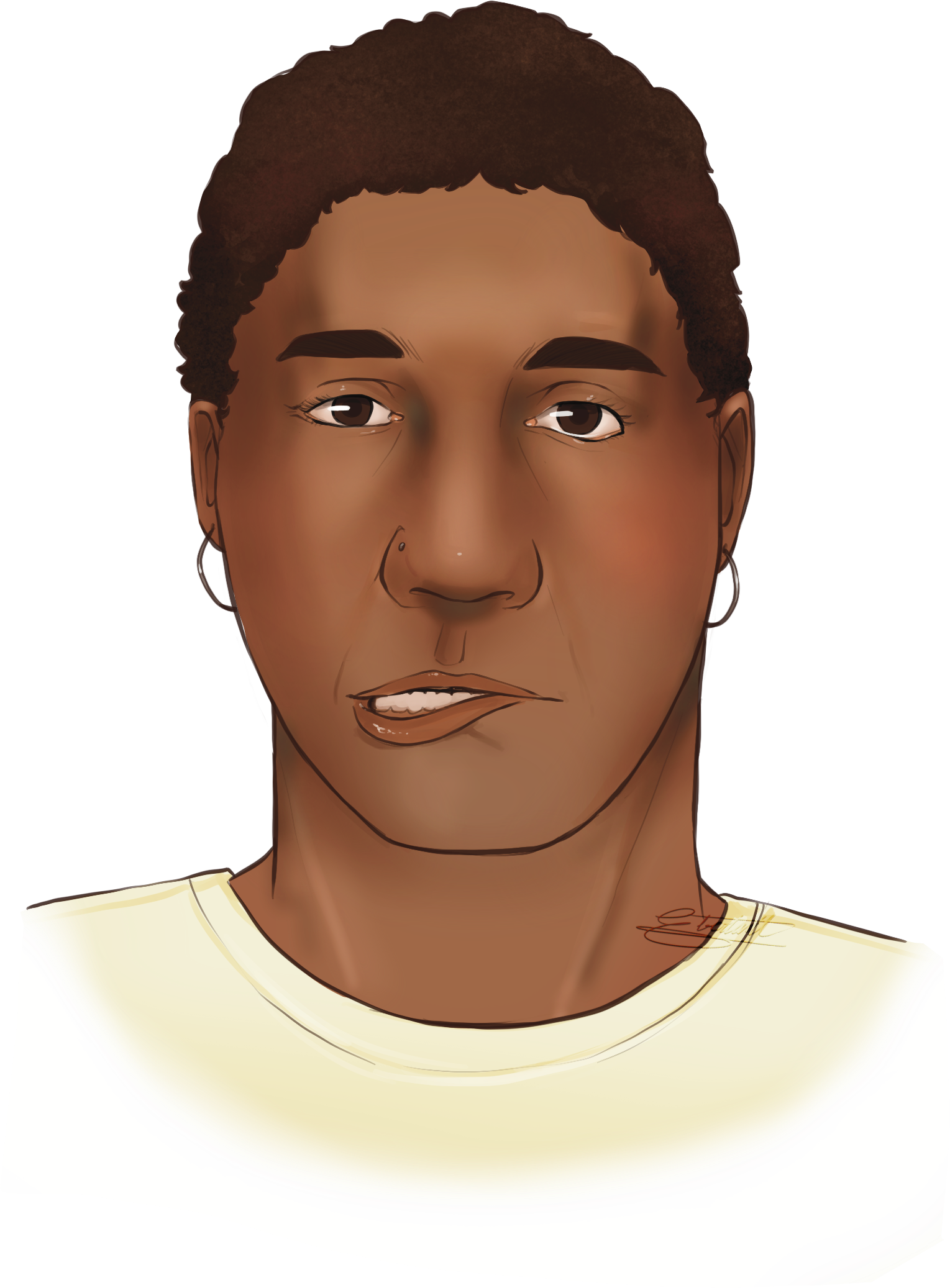
The doctors will also assess the extent of paralysis by conducting a series of physical exams. They will ask you to make different facial expressions to look at how the facial nerve and muscles are interacting. The doctor may also ask to take photos in order to track your progress.

Tutorial
Explore by clicking different tabs to learn more about facial paralysis.
Example exercises the doctor may ask you to do:
Nerve Test
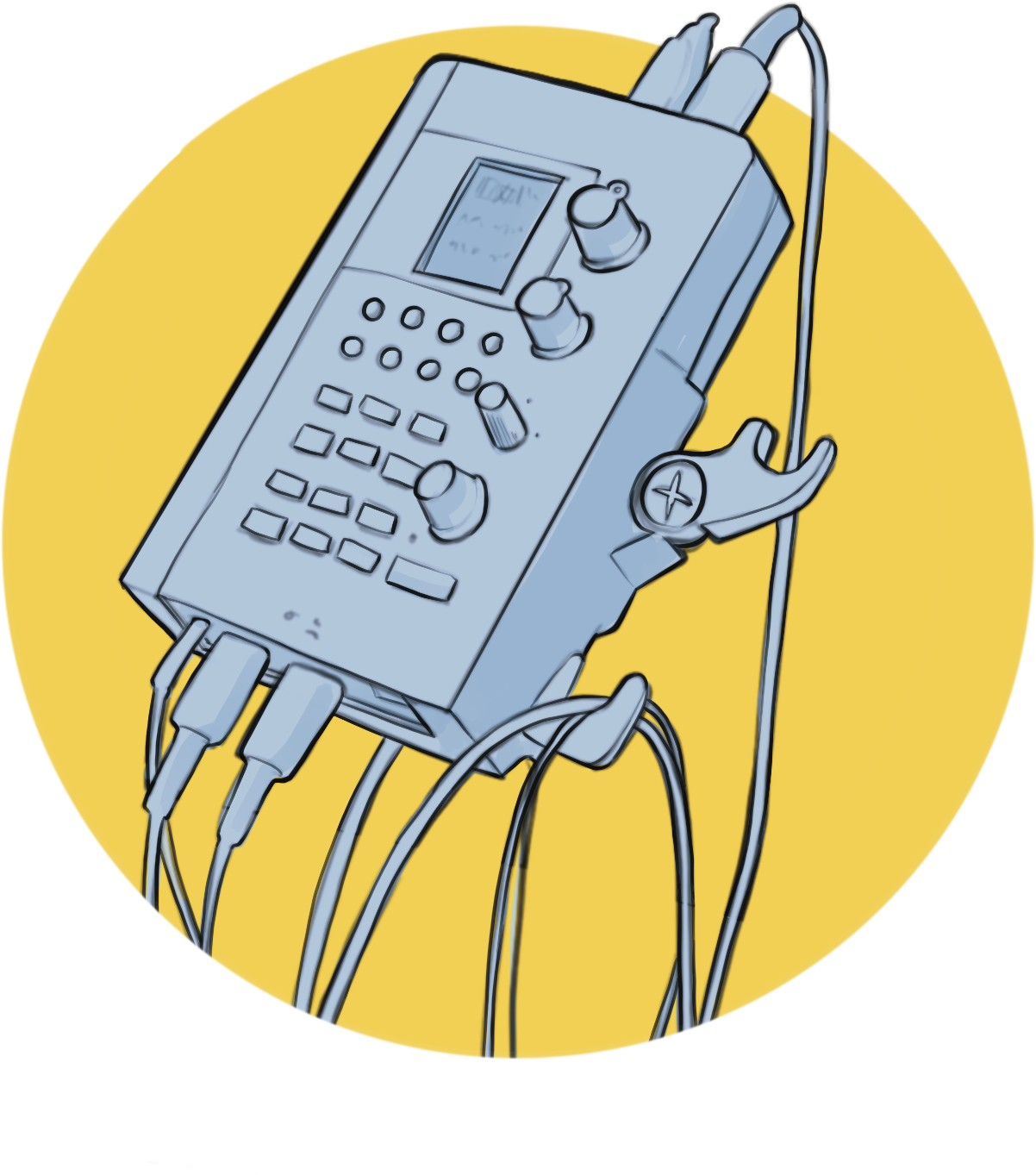
The doctors may also decide that taking a look at how the nerve signal is working would help them make decisions. They can do this using an electromyography (EMG) test.
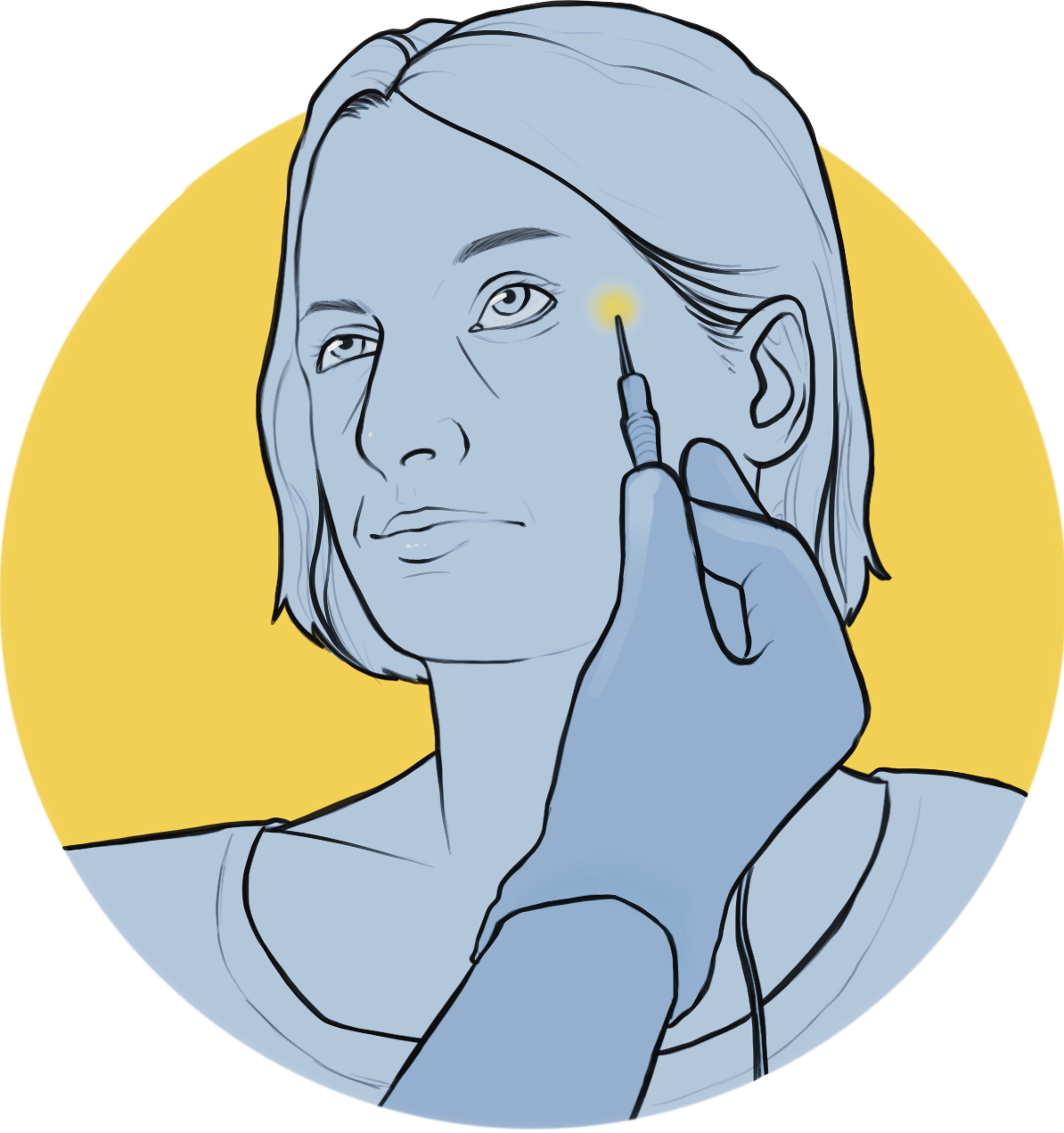
Electromyography (EMG) Test
An electromyography test or EMG is a test that measures the electrical activity of muscles at rest and during contraction. They will use probes or electrodes to stimulate the muscles in your face in order figure out if there is
muscle damage or issues with nerve conduction.
At UHN, there is a specific EMG clinic that your doctors might refer you to visit.
At Home
When you are at home, there are still things you can do to support yourself. A facial paralysis diagnosis can be very stressful and many people have talked about the emotional weight related to it. It is very normal to have lower self-esteem as your appearance is a large part of your identity. As you are going through this journey, it is very important to give yourself grace and find ways to foster self-acceptance. Recovery takes time and it is normal for a few months to pass between your first appointment and a follow up.

Care Point
Let’s take a second and pause. Facial paralysis is a heavy diagnosis and it is important to take information in as you are comfortable.
On Surgery Day
On the day of your surgery, you should prepare by following any specific instructions given to you by the doctor. This could be about fasting, or what medications you can or cannot take. Each procedure is unique and you should be referring to the information that has been given to you.
Care Point
Surgery can cause anxiety, even if it is minimally invasive. That is completely normal and you should talk to your care team or friends and family about any concerns or questions you might have.
Your Team
Get to know the team that will work together on your care.
There will be many specialists that join your team in order to help you throughout your journey with facial paralysis. This team is made up of professionals across the healthcare industry. Your team might include some of the professionals described below, but not necessarily all of them.
Surgeons
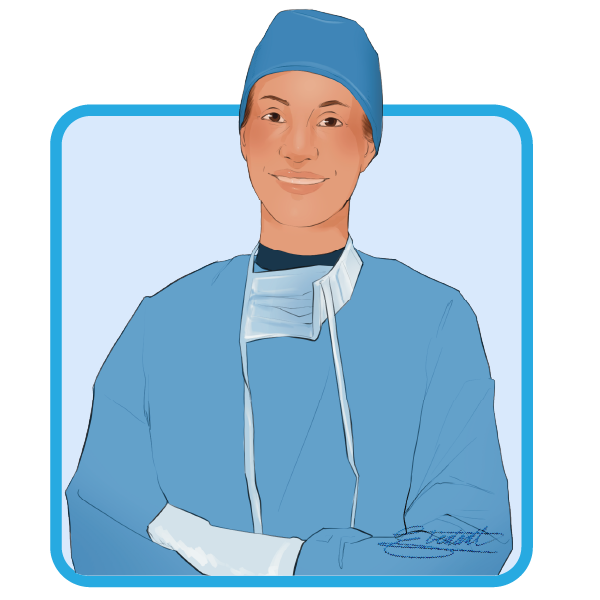
The surgeon is the doctor that will perform surgery in order to help you. They will meet with you before so that you can discuss what has happened, what your options are, and what your goals are. They may encourage non-surgical solutions before the surgical ones and will discuss all options with you during the visit. After the surgery, your surgeon will also follow up with you in order to monitor your healing and may suggest future steps.

Physiotherapists
Your physiotherapist will work with you to find ways to improve movement, and reduce tightness or pain. They will walk you through exercises and stretches that will help you improve facial movement. It is important to note that it is not always the best idea to see a physiotherapist, especially if you are earlier in your journey. Talking to an expert is a good idea and will give you a better idea what options work best for you.

Speech-Language Pathologists
Speech-language pathologists (SLPs) are experts in communication and swallowing. They can help you with any difficulties you may have with speaking or eating due to facial paralysis.

Ophthalmologists
The ophthalmologist is a doctor that specializes in all things related to the eye. When you have facial paralysis you lose the ability to close your eye, so there is a higher risk of injuring it. An ophthalmologist will help you watch over it. You can use eyedrops and tape your eye shut to protect it as a short-term solution.
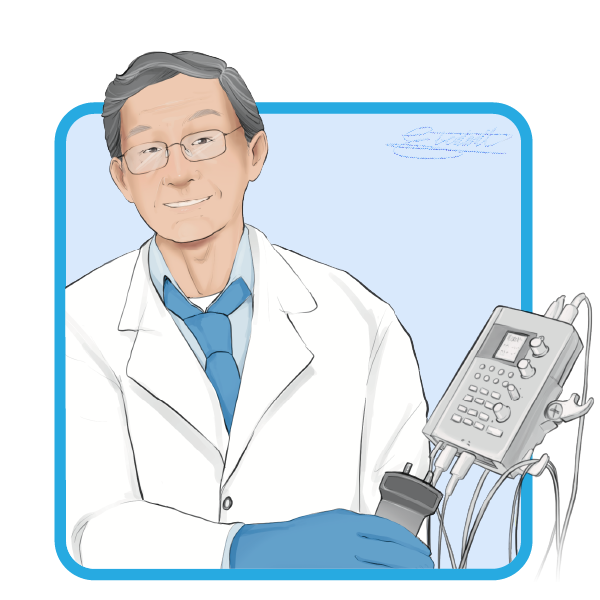
EMG Specialists
If you are referred to get an EMG (electromyography), you will meet with an EMG specialist who will help you out during your appointment. They will analyze the electrical signals in your nerves in order to find any problem spots or confirm that they are still active.
Residents and Medical Students
You will meet many residents, medical students and more, especially if you are at a teaching hospital like the Toronto Western Hospital. They are all there to help you and learn the best ways to approach each case. You will most likely answer the same questions a couple different times to different medical experts. This is expected as they are all getting the best idea of your specific case and what options would work best for you.