What is Paralysis?
Paralysis is the inability to move the muscles you intend to. In the case of facial paralysis this means the muscles in your face won't move when you want them to.

Tutorial
Explore by clicking different tabs to learn more about facial paralysis.
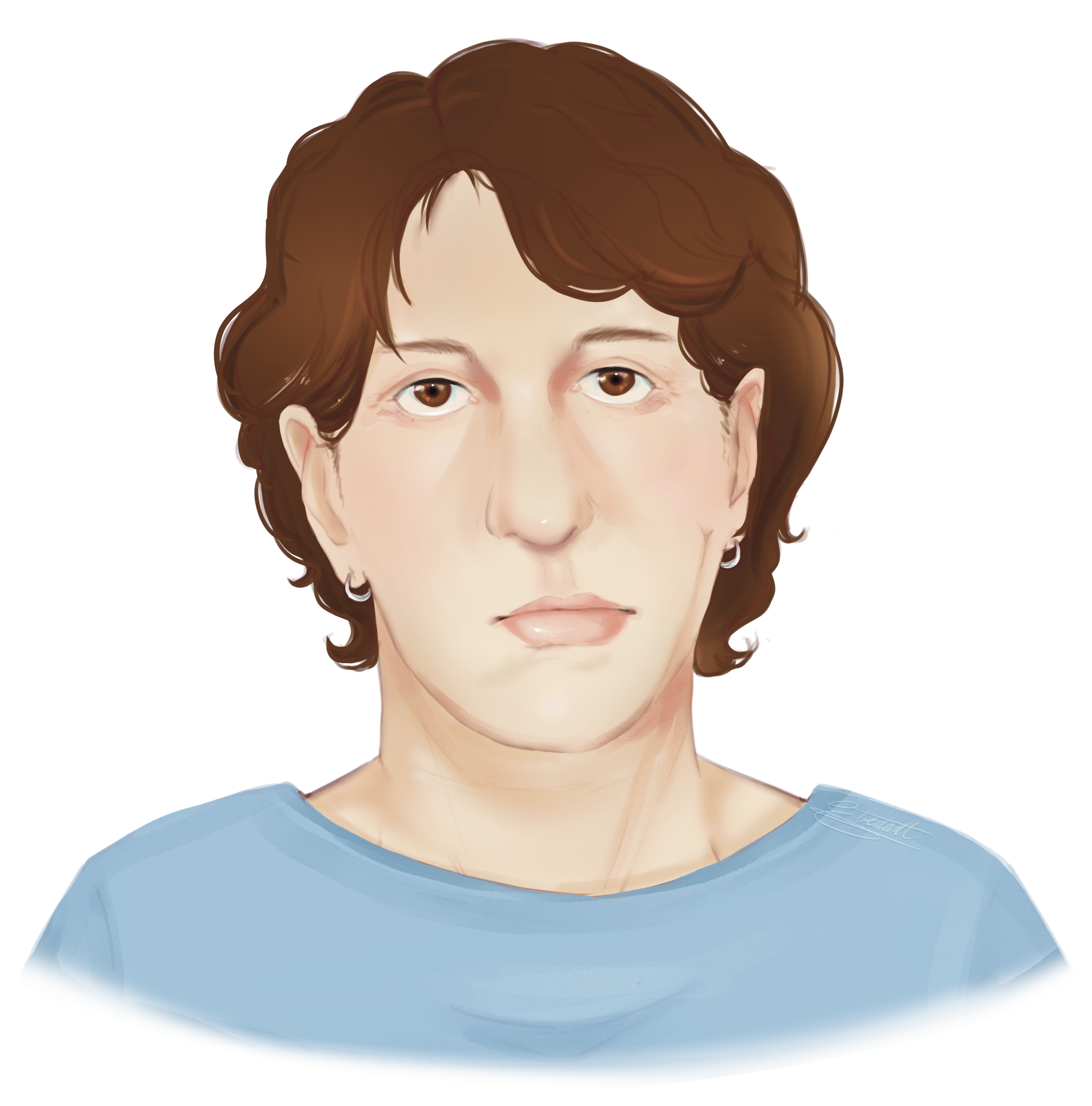

This can be unilateral or bilateral. Paralysis can also be complete or partial and temporary or permanent.
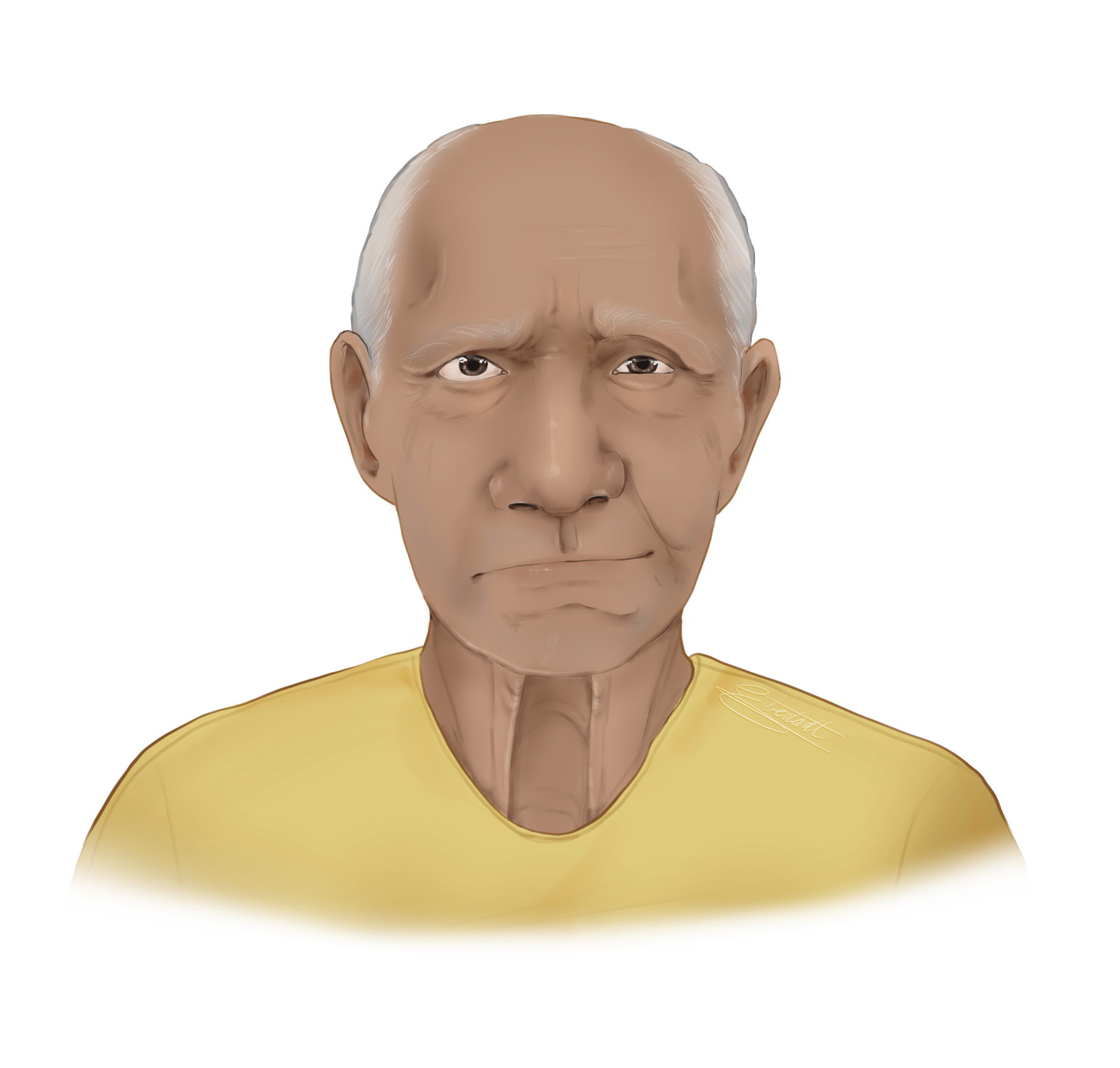
What happens to the non-paralyzed side of your face?
When one side of your face is paralyzed, the other side can become overactive and pull your facial features towards the side that is not paralyzed.
What happens to your eye on the paralyzed side?
The facial nerve is responsible for helping close your eyelid. The eye is an important thing to keep in mind with a facial paralysis diagnosis since you lose the protection your eyelid provides. A different nerve, the oculomotor nerve (cranial nerve III), is responsible for opening your eyelid. So you will be able to open your eye even with a facial paralysis dagnosis.
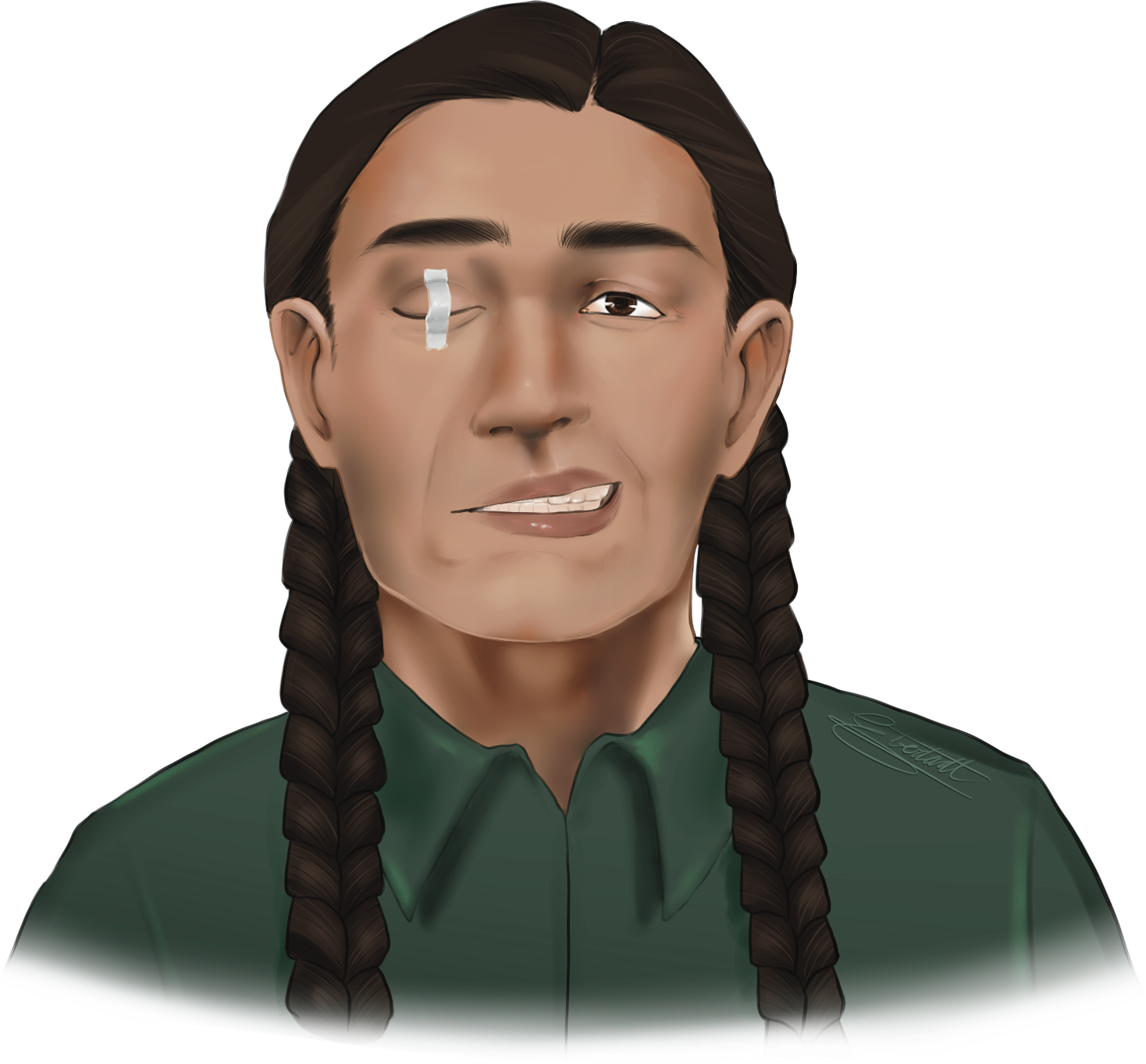
You can protect your eye by putting in eyedrops and taping it closed. Make sure to protect your eye from:

Dirt
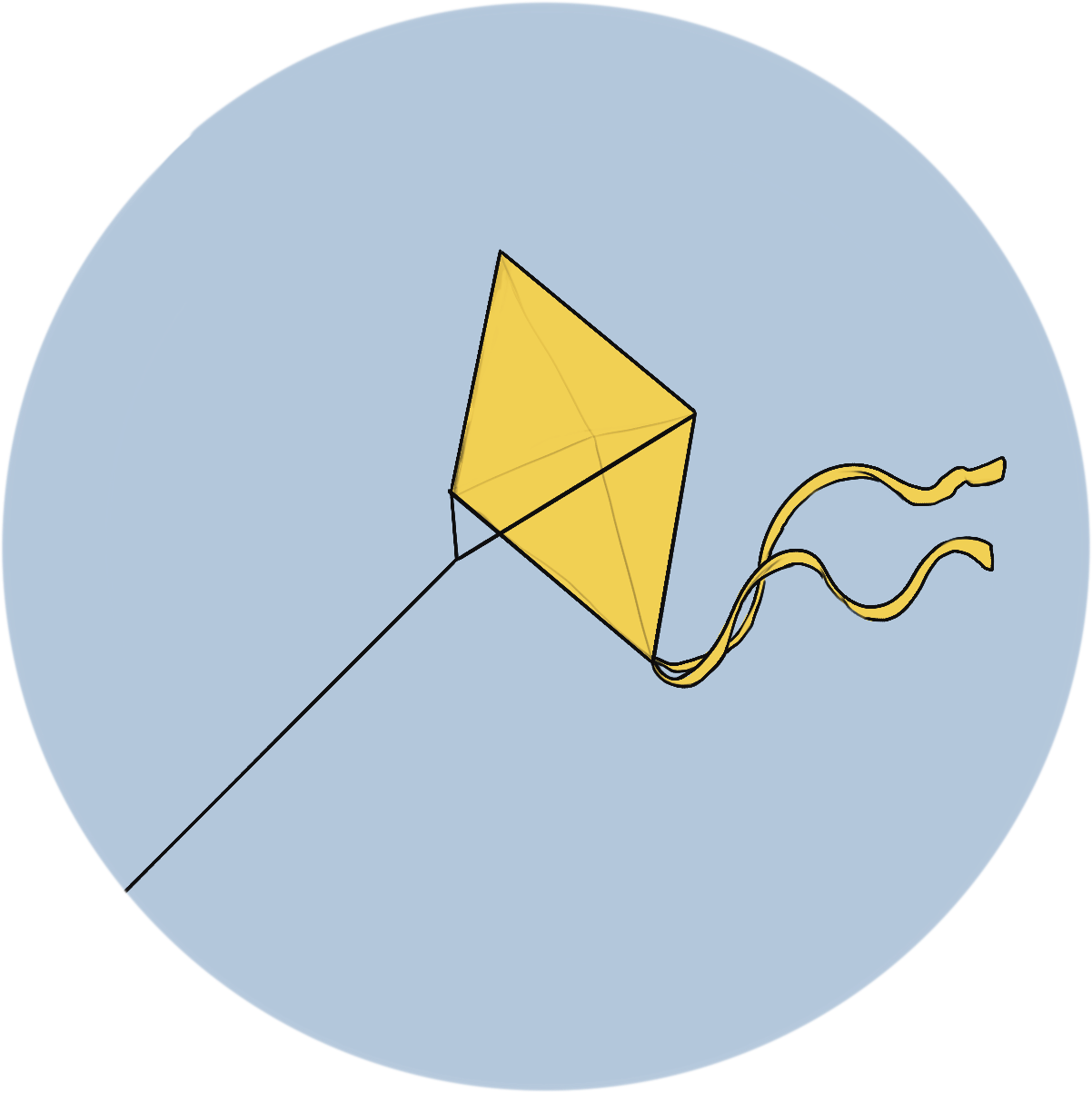
Wind

Dryness
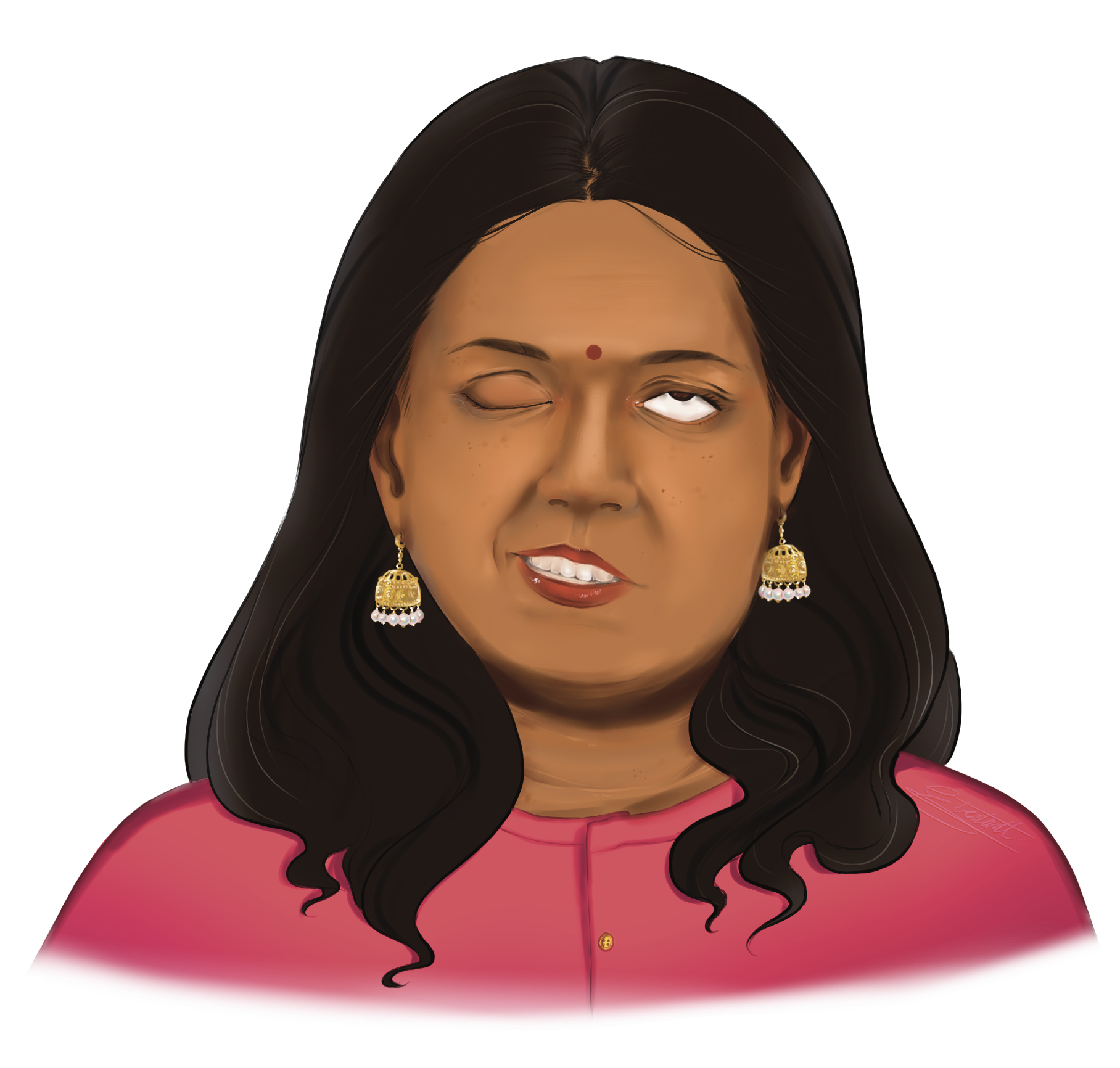
Why does my eye roll back when I try to close it?
You might notice that when you feel like you're closing your eye, even
though the eyelid doesn't move, your eyeball rolls back.
This is called Bell’s reflex and
something our body developed as extra protection.

Causes
There are many different causes for facial paralysis. It can be either congenital or acquired. If you weren’t born with it, there are two main reasons you are experiencing facial paralysis:
- There is damage to the area of your brain that sends the signals to your face.
- There is damage to your facial nerve and the signals aren’t going through.
Trauma
Cancer

Inflammation

Infectious Conditions (Bell’s, Ramsay-Hunt, etc)

Stroke

Acoustic Neuroma (aka vestibular schwannoma)
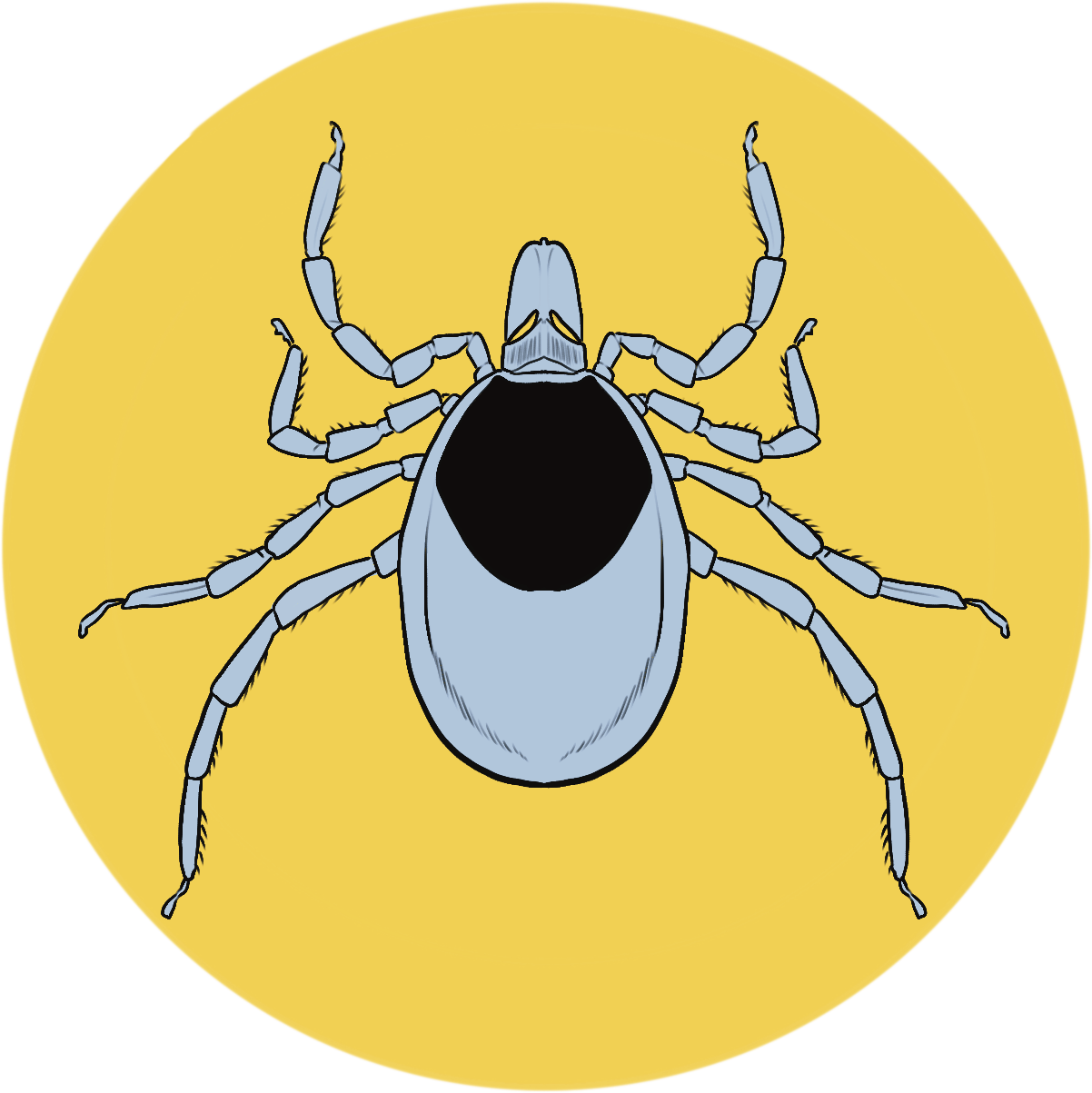
Lyme Disease

More
Examining your medical history and testing can help your doctor understand why your facial paralysis symptoms are happening as well as help you figure out a path forward.
Bell's Palsy
Bell’s Palsy is the most common cause of facial paralysis and is not your fault. It happens
suddenly, and generally leaves one side of your face paralyzed.
The
cause is not known currently but it is thought to be due to viral inflammation or
infection and can happen to anybody of any age.
Most people will gradually improve and regain
normal control of their facial muscles. It is expected that you will see improvement after a few
weeks and complete recovery around the 12 month mark. For some people, the paralysis is permanent
while others will develop synkinesis, which is tightness and involuntary spasms of the face.
Bell’s episodes can occur more than once but this is rare.
It is important to see a doctor if you suspect that you have Bell’s Palsy. A doctor will be able to rule out other causes of your symptoms and monitor your progress.
Stages

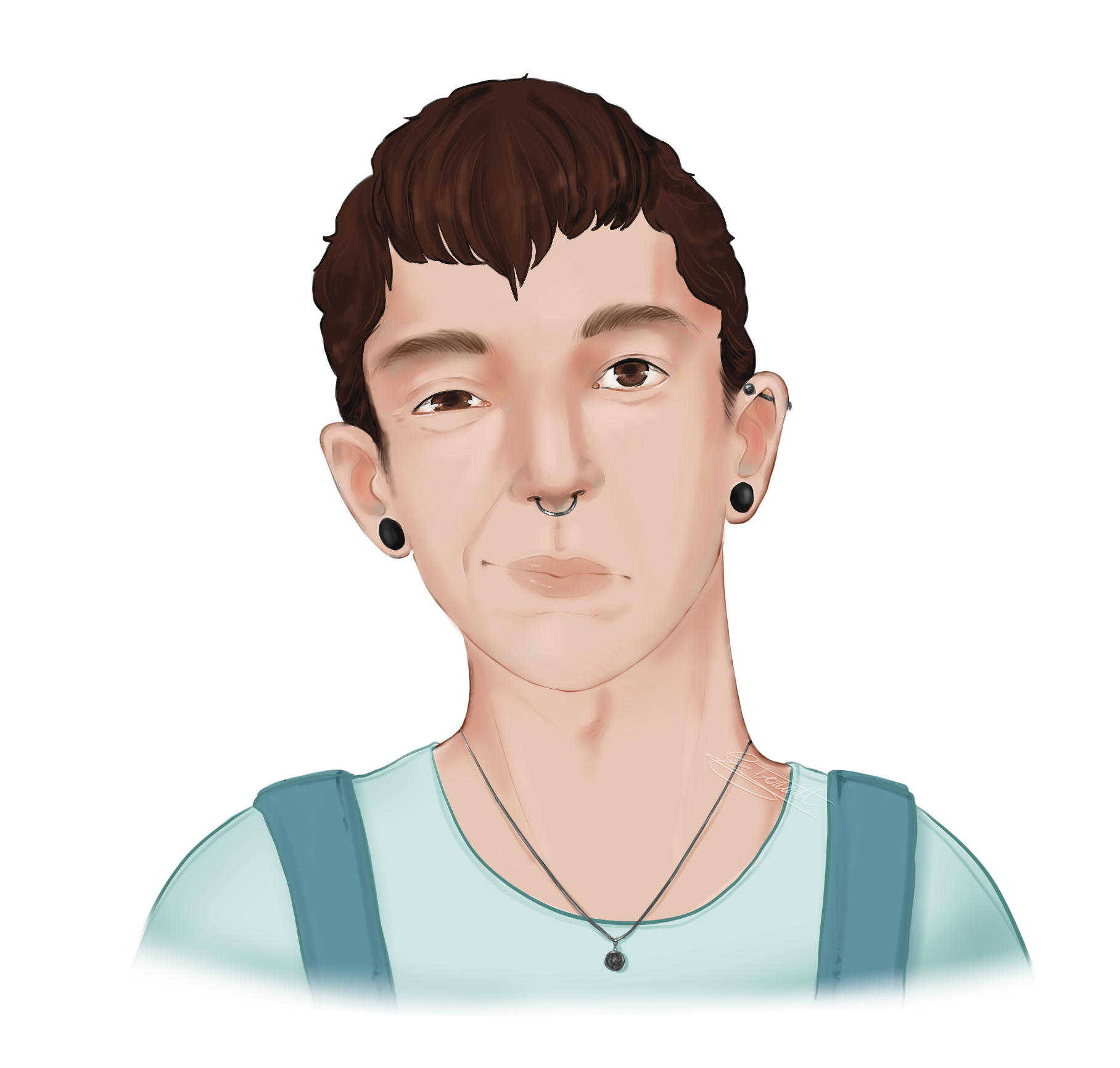
Flaccid (Complete) Facial Paralysis
At this stage you will have loss of movement and your face might feel floppy, you might have dry eyes, a dry mouth, altered taste, difficulty eating, speaking or drinking. This stage happens because there is damage to the facial nerve and/or the signal is not being properly sent to the face.
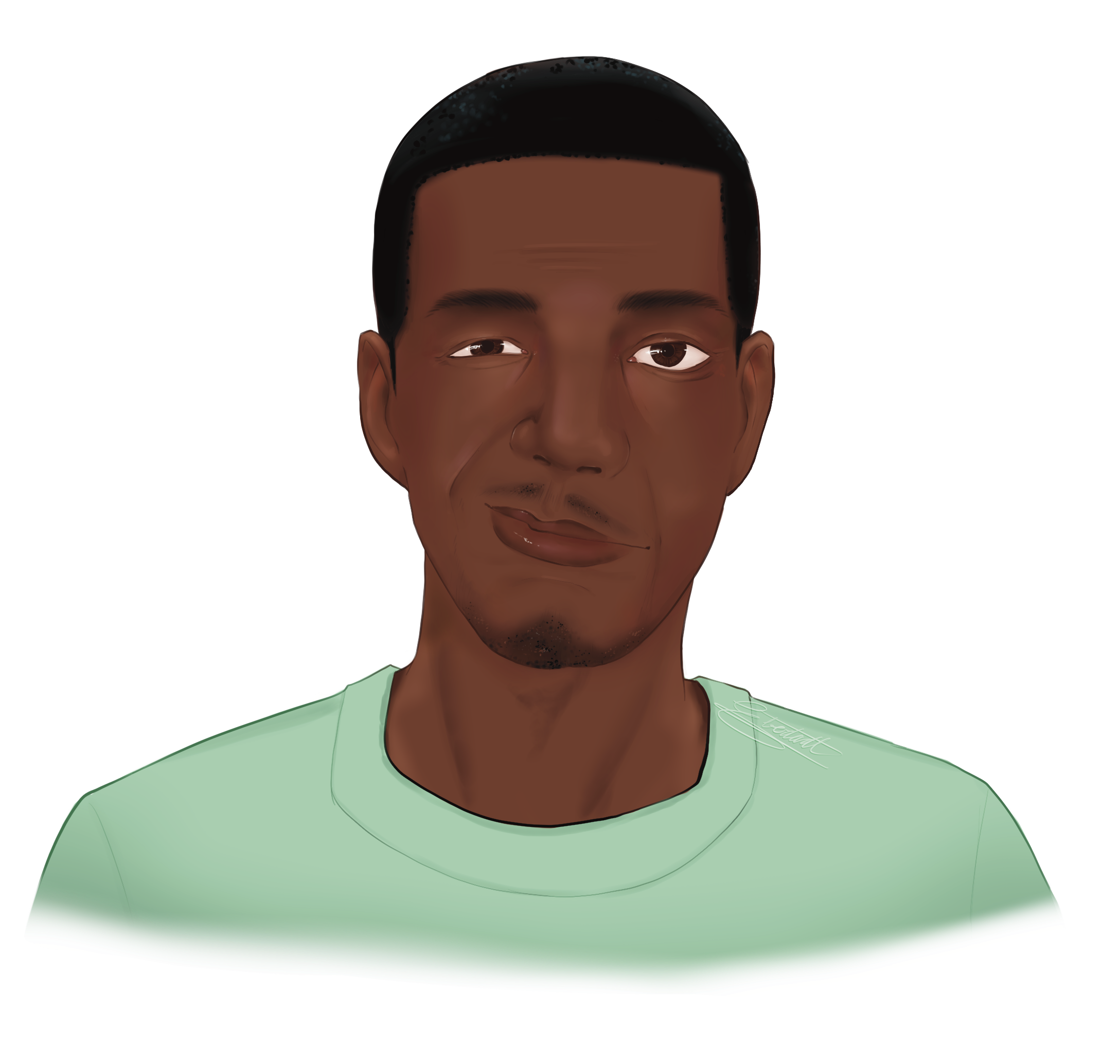
Recovering Facial Paralysis
At this stage you may see symmetry improving with gradual increase in muscle strength. Focused muscle-strengthening exercises can help under the guidance of a healthcare professional.

Incomplete Facial Paralysis
Despite recovery, there may be residual weakness at rest or with facial expressions.
Synkinesis
(SIN-kigh-NEE-sis)
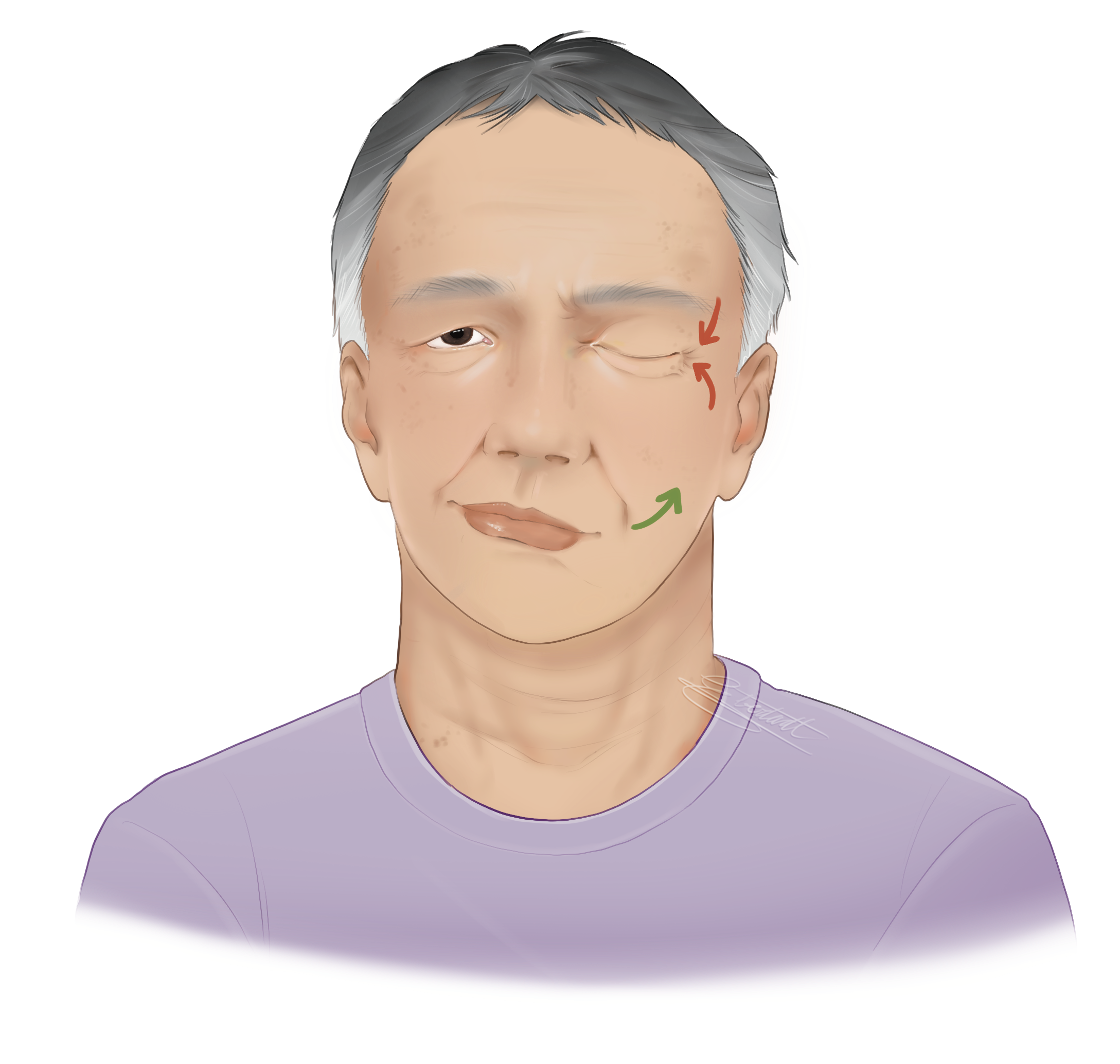
At this stage you might experience linked or unintended facial movements. When you try to move one part of your face, you might see involuntary movement in other areas.
In this example, when the person tries to smile, their eye closes involuntarily. This is a result of the facial nerve trying to heal itself and sending mixed signals to the face.
Green - Intended movement
Red - Unintended movement

Care Point
Everyone has a unique journey with facial paralysis and it is important to understand that the stages outlined above are general guides but you might experience a different timeline.
Synkinesis
Synkinesis (SIN-kigh-NEE-sis) is a long-term condition that causes movement in muscles you did not mean to
move. Synkinesis results when the facial nerve tries to regenerate but
recovery results in “scrambled” or “mixed-up” signals as the nerve unintentionally grows
into incorrect pathways.
In this example, when the person tries to smile, their eye closes involuntarily.
If you think about smiling, normally only your mouth would move.
With synkinesis, your eye might close as well. This is just one example, but can happen
anywhere in the face.

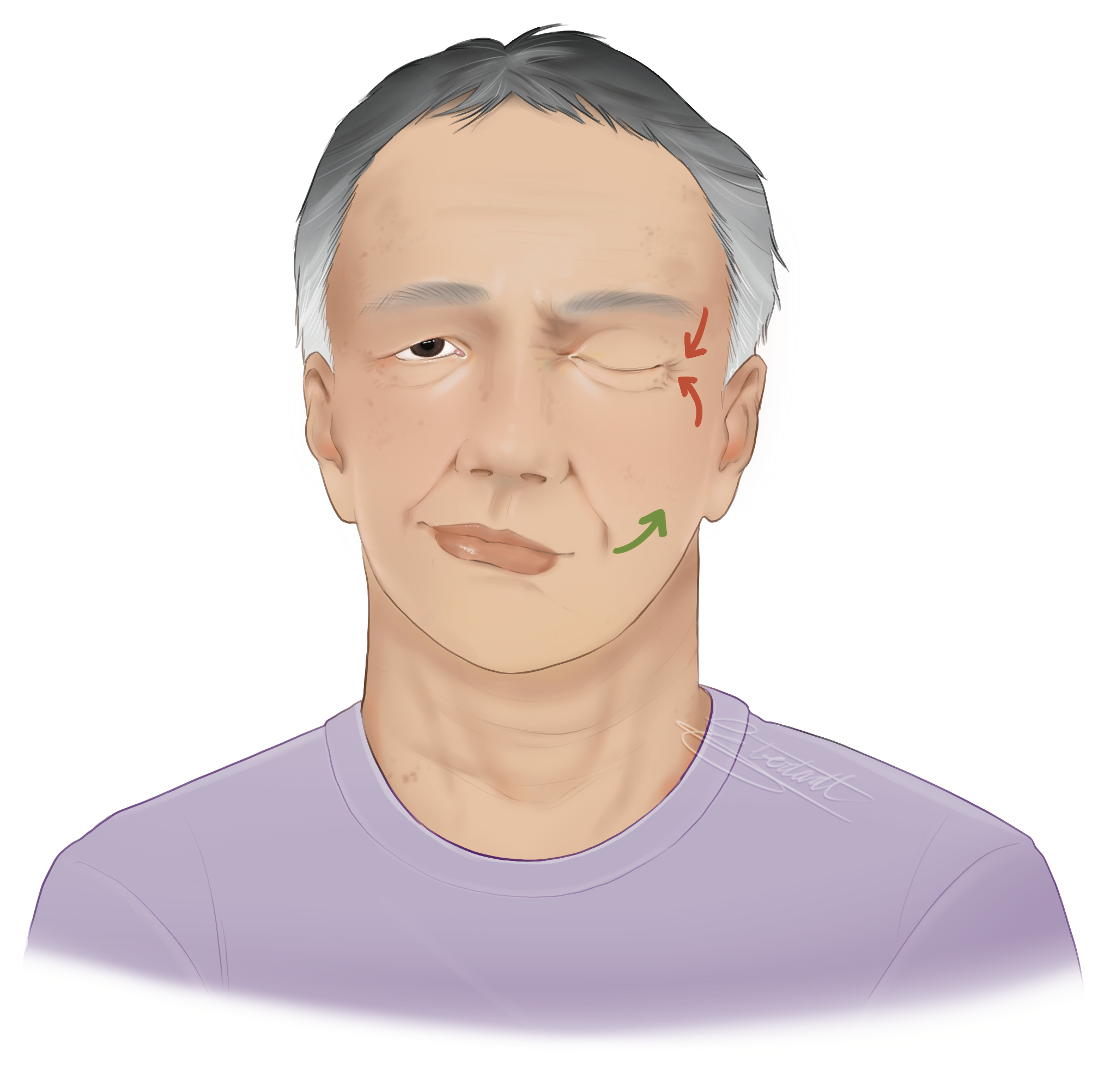
Green - Intended movement
Red - Unintended movement
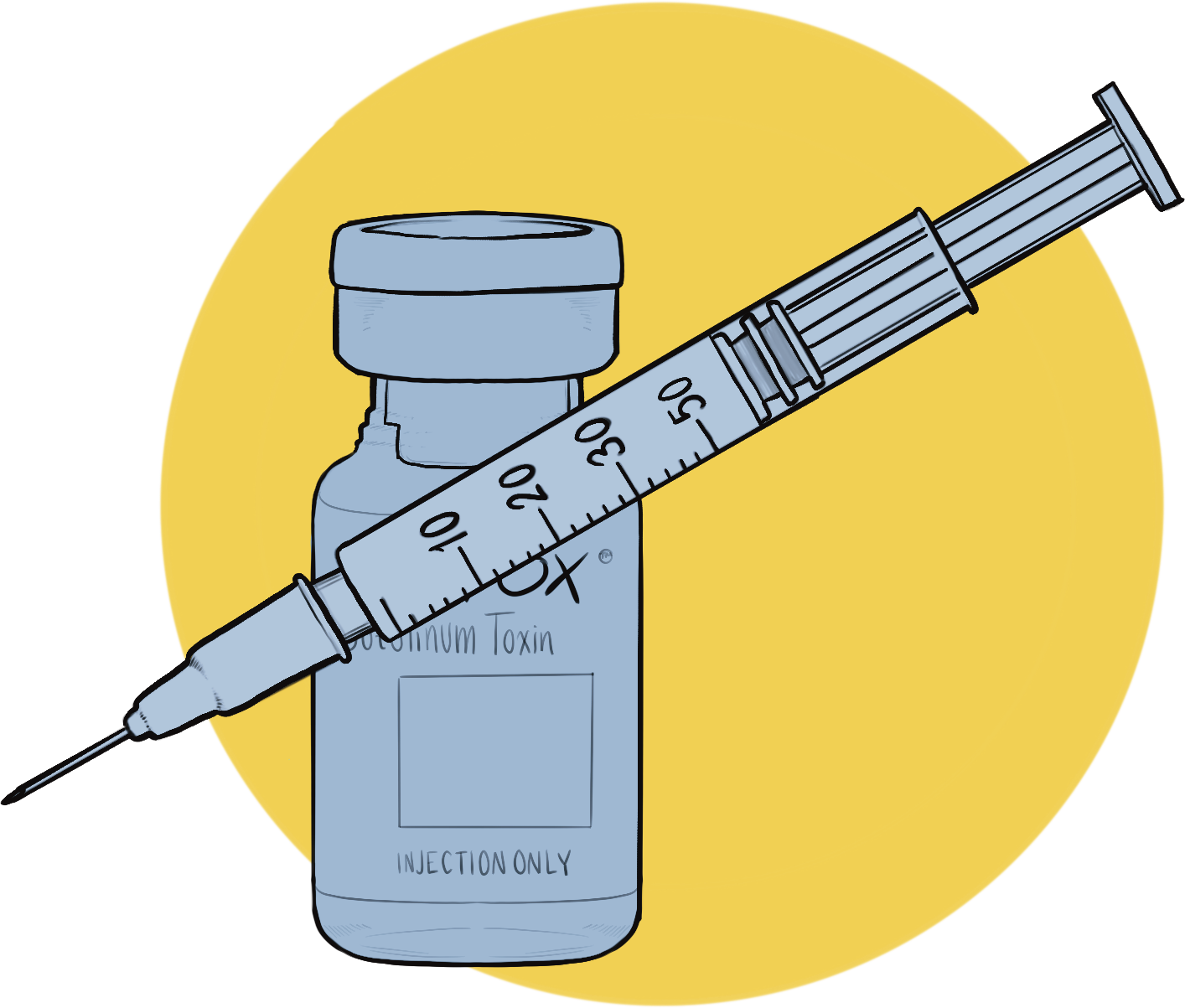
Neuromodulators, like Botox, can relax the muscle with too many signals to it.
Learn more about neuromodulators
Physical therapy can help you retrain your brain to move the muscles you are trying to move.
Learn more about physical therapy
Surgery can be done to remove specific branches of the facial nerve causing problematic movement.
Learn more about surgeryRecovery & Impacts
Recovery is a journey and everyone will have a different path. There will be times that
everything goes to plan and other times where it feels like you're at the bottom of a
mountain. Your care team is there to support you throughout this process.
Sometimes facial paralysis can improve and other times it is permanent. Every step in treatment, recovery
and results is different for each person.
It is not vain or self-centered to mourn the changes to your face and to want your old face back. Even with intervention,
you may not regain the same facial symmetry that you used to have.
Many people have shared that they feel self-conscious, or want to isolate themselves after
developing facial paralysis. It is important to ask for support and help through this time.
Your care team will do what they can to help you.

